
Quick answer
- “Highway driving lessons” are usually not a separate service. Highway practice is built into a normal lesson once you are ready for it.
- Readiness comes first: steady car control, automatic mirror and shoulder checks, and calm speed management in town.
- The two skills that carry everything else are merging and lane changes at speed.
- Around Chilliwack, the natural practice route is Highway 1 through the Fraser Valley, with posted limits of 100-110 km/h on local sections.
- Confidence is built by graded exposure, starting with quiet times and short segments, not by one terrifying rush-hour baptism.
Search for “freeway driving lessons” or “highway driving training” and you will find surprisingly few clear answers about what that actually looks like. This guide explains how highway practice really works in a driving lesson, when a new driver is ready for it, and which skills matter most. It is written from the driver’s seat of a training car that spends a lot of time on Highway 1.
What counts as highway driving in BC
In BC conversation, “highway” and “freeway” blur together, and that is fine. What matters for a learner is the road type: multi-lane, divided, controlled-access roads where traffic flows at 100 km/h or more and you enter by merging from a ramp. Around Chilliwack that means Highway 1, the Trans-Canada, where posted limits on Fraser Valley sections reach 100-110 km/h.
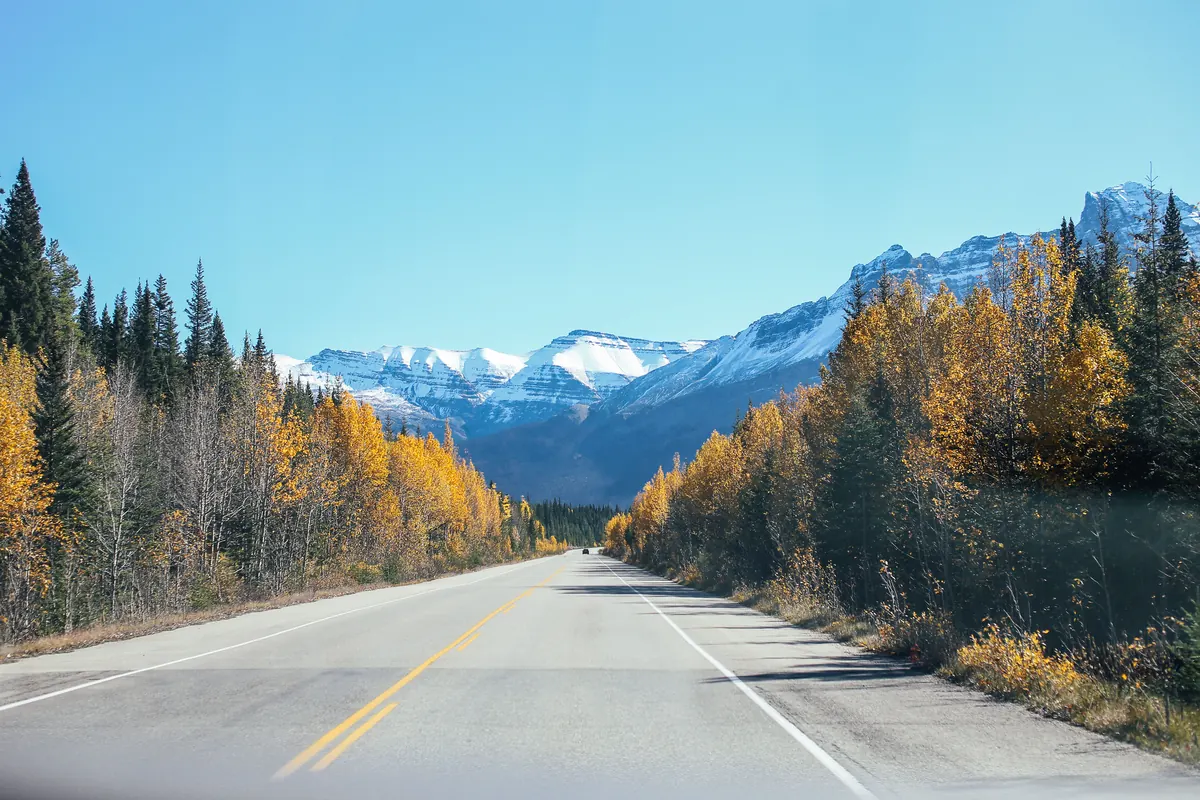
There is a second category people forget: two-lane rural highways with 80-100 km/h limits and oncoming traffic a metre away. They demand some different judgment, like passing decisions and speed into curves, and a complete driver is comfortable on both. A good instructor treats them as two related lessons, not one.
When is a new driver ready for the highway?
Highway driving is not lesson one, and it should never be a surprise. You are ready to start highway work when, in normal city traffic, you can honestly say yes to these:
Car control is quiet
Smooth steering, braking, and acceleration at 60-80 km/h without conscious effort. The car is no longer using up your attention.
Checks are automatic
Mirrors on a rhythm and shoulder checks before every move, without being reminded.
Speed does not scare you
You can hold 80 km/h steadily on a multi-lane road and change lanes without holding your breath.
You can plan ahead
You read traffic half a block ahead instead of reacting to the bumper in front. At 110 km/h, “ahead” arrives three times faster.
Instructor tip
If you are not sure whether you are there yet, the free Readiness Check gives you an honest estimate in about ten minutes, and one city lesson settles it for real.
What a highway driving lesson actually covers
At Right of Way, highway practice is not a separate product with its own price tag. It is built into a regular lesson, usually a 90-minute Core Session or a 120-minute Mastery Session, once your level and the day’s route allow it. A typical first highway block looks like this:
- Briefing before the ramp.
What will happen, in what order, and what the instructor will handle if anything goes wrong. No surprises. - One full merge, done calmly.
Ramp, speed match, gap, shoulder check, blend in. The dual-control car means an error stays a learning moment. - Cruising skills.
Holding lane position at speed, keeping a 3-plus-second following gap, and reading traffic far ahead. - Lane changes at speed.
Mirror, signal, shoulder check, smooth move, without slowing down in a live lane. - A clean exit.
Reading signs early, moving to the exit lane in time, and losing speed on the ramp instead of on the highway.
Then it repeats, because one merge proves nothing. The gap between “survived it once” and “comfortable” is usually a handful of focused repetitions across one or two sessions.
The two skills that matter most: merging and lane changes
Merging is the skill people fear, and the fix is almost always the same: speed. Most scary merges happen because the driver enters the highway 30-40 km/h below traffic speed and tries to squeeze into gaps that keep closing. Match the traffic’s speed by the end of the ramp and gaps open up on their own. We wrote a full step-by-step guide: How to Merge onto a Highway Safely in BC.
Lane changes at 100+ km/h are the same lane changes you know from town (mirror, signal, shoulder check, move) with two differences: closing speeds hide in your mirrors, and any braking in a live lane punishes everyone behind you. The discipline is to adjust speed before the manoeuvre and keep it steady through it.
How highway confidence is actually built
Nobody becomes confident by being thrown into rush hour. Confidence is graded exposure: a quiet mid-morning first run, one short segment between two interchanges, one skill per pass. Then longer segments, then busier windows, then rain. Each level feels almost boring before you move up. That is what “ready” feels like.
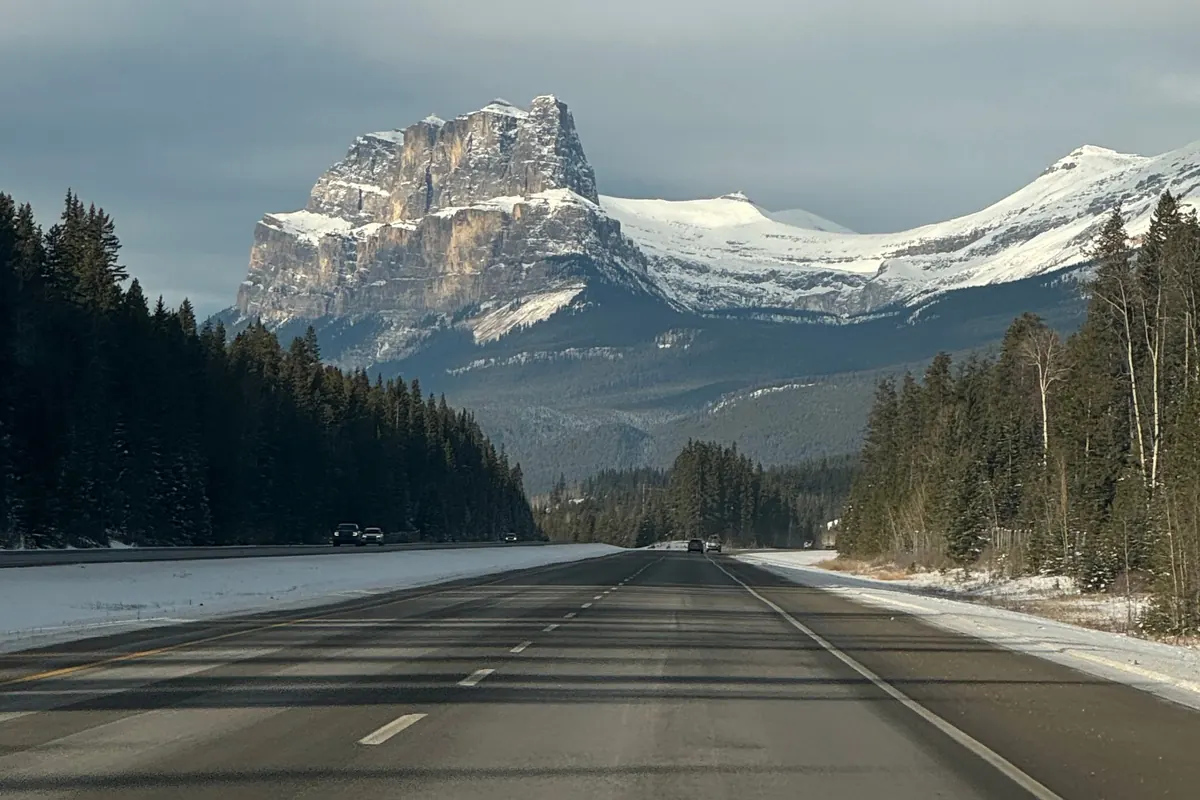
Seasons are part of it too. A driver who has only seen July freeways has not seen the whole picture: visibility, spray, and traction change the math. That is exactly the gap a winter driving lesson closes.
Is highway driving on the ICBC road test?
It depends on the class and the route. Class 7 road tests generally stay on city and suburban roads. Class 5 road tests are designed to sample higher-speed driving, and in Chilliwack that often means a Highway 1 segment with a real merge. If your Class 5 test is coming up and your last highway drive was years ago, that is worth fixing before test day. A Class 5 Exam Simulation shows you exactly where you stand.
FAQ
Do you offer dedicated highway driving lessons?
There is no separate “highway course”, and for most students that would be the wrong product anyway. When your skills are ready, we simply make highway work the focus of a regular lesson and choose a route on Highway 1. A 120-minute Mastery Session gives the most room for a full highway block.
Can my first driving lesson be on the highway?
No, and be wary of anyone who says yes. Highway work sits on top of city fundamentals: car control, automatic checks, calm speed management. Most students starting from zero reach highway readiness after a series of city lessons, not before.
How many lessons does it take to get comfortable on the freeway?
For a driver with solid city skills, one or two focused sessions usually turn the highway from frightening to routine. What multiplies progress is repetition: several merges and exits in one lesson beat one white-knuckle drive per month.
Is a freeway different from a highway?
In everyday BC usage they overlap. Technically, a freeway is a divided highway with controlled access: you enter by ramp, never through an intersection. Highway 1 through the Fraser Valley is a freeway, while many BC highways are two-lane roads with intersections. A complete driver trains on both.
Related Road Test Guides
Official resources
Use this guide as a practical explanation. For official licensing, appointment, and road test information, always check ICBC directly.
This article is written by Right of Way Driving School for students preparing in Chilliwack and the Fraser Valley. It is educational content and is not an official ICBC publication.
Ready to make the highway boring?
Book a lesson and tell us you want highway work. If your level allows it, we build the route around it. Honest feedback, no package pressure.